Toyota RS2000 series manuals, ranging from 47 to 79 pages, are readily available online․ These guides, alongside others for models like the Oekaki 50, SPA15, and SPJ17XL, offer comprehensive support․
Overview of the RS2000 Series
The Toyota RS2000 series represents a popular line of sewing machines, with several types produced․ Identifying the specific model is crucial, as indicated on the machine’s data plate, detailing its function․ Manuals for this series vary in size, from approximately 16MB to 49․2MB, and page count, spanning 47 to 79 pages․
Resources like Manualzilla offer free online downloads of these manuals, alongside guides for related Toyota models, facilitating easy access to operational instructions and maintenance details for owners․
Historical Context and Production Years
Information regarding the precise production years of the Toyota RS2000 series is currently limited within the provided data․ However, the availability of manuals – including service manuals and instruction guides – suggests a significant production run․ These resources, dated as recently as December 14, 2025, indicate continued user interest and support for these machines․
The existence of downloadable manuals points to a legacy of widespread use, with ongoing efforts to preserve access to operational knowledge for RS2000 owners․

Understanding the RS2000 Manual
Toyota RS2000 manuals are accessible both digitally and in physical form, varying in size from 32 to 79 pages, offering comprehensive guidance․
Locating a Toyota RS2000 Manual
Finding a Toyota RS2000 sewing machine manual involves several avenues․ Numerous websites, such as Manualzilla, host downloadable versions, offering both convenience and accessibility․ These online resources provide manuals ranging in size, from detailed service manuals spanning 48 pages to comprehensive guides reaching 79 pages․
Additionally, suppliers specialize in providing new and older Toyota machine manuals․ Free online downloads are also available for certain models․ Exploring these options ensures owners can readily access the necessary documentation for their specific RS2000 variant․
Digital vs․ Physical Manuals
Toyota RS2000 manuals present choices: digital downloads versus physical copies․ Digital versions, readily available online through sites like Manualzilla, offer instant access and portability, eliminating the need for storage space․ Conversely, physical manuals provide a tactile experience and are accessible without needing a device or internet connection․
While digital manuals are convenient, some users prefer the durability and ease of referencing a printed guide․ Both formats deliver the same essential information for operating and maintaining the RS2000 sewing machine․
Manual Size and Page Count Variations
Toyota RS2000 sewing machine manuals exhibit variations in size and page count․ Documents range from 32 pages, as seen with the Toyota 572/602 manual, to 79 pages for the RS2000 series guide itself․ Service manuals, like the RS2000 specific one, can span 48 pages․
File sizes also differ, with some manuals reaching 49․2MB, while others are smaller at 8MB or 16MB․ These differences likely reflect the scope of information covered and the specific model variations addressed within each document․
Key Components and Their Functions
Toyota RS2000 manuals detail mechanisms like needle and presser foot operation, bobbin winding/insertion, thread tension, and stitch selection—essential for functionality․
Needle and Presser Foot Mechanisms
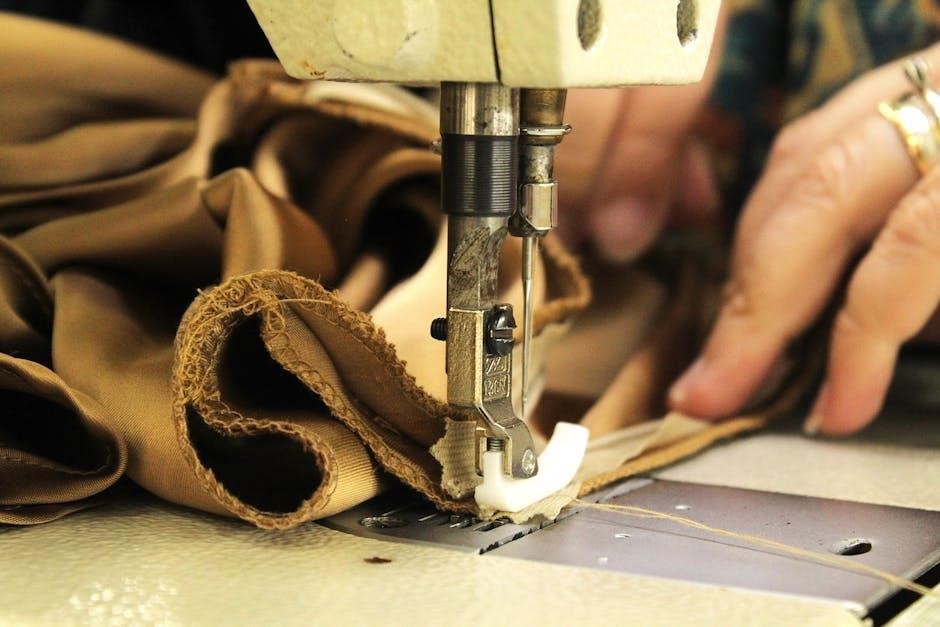
Toyota RS2000 sewing machine manuals thoroughly explain the interplay between the needle and presser foot․ Understanding this is crucial for consistent stitch formation․ The manual details how the needle’s movement, guided by the machine, penetrates the fabric while the presser foot maintains even pressure․
Proper adjustment of both components ensures fabric feeds smoothly, preventing skipped stitches or uneven seams․ The guides illustrate correct needle types for various fabrics and demonstrate how to adjust presser foot pressure for optimal results․ Detailed diagrams clarify the mechanisms’ operation․
Bobbin Winding and Insertion
Toyota RS2000 manuals dedicate significant attention to bobbin winding and insertion, vital for smooth sewing․ Instructions detail how to correctly wind thread onto the bobbin, ensuring even distribution for consistent stitch quality․ Diagrams clearly illustrate the bobbin winding process, preventing tangles and jams․
The manual also provides step-by-step guidance on inserting the bobbin into the machine, emphasizing proper orientation and thread path․ Correct bobbin insertion is critical to avoid thread bunching and maintain optimal machine performance․
Thread Tension Control
Toyota RS2000 sewing machine manuals thoroughly explain thread tension control, a crucial aspect of achieving balanced stitches․ The guides detail how to adjust the tension dial to accommodate different thread types and fabric weights․ Improper tension leads to looping or puckering, impacting stitch quality․
Illustrations demonstrate the effects of both too-tight and too-loose tension, aiding users in identifying and correcting issues․ The manual emphasizes testing tension on scrap fabric before starting a project, ensuring optimal results․
Stitch Selection Dial
Toyota RS2000 sewing machine manuals dedicate sections to the stitch selection dial, explaining its function in choosing various stitch patterns․ The dial allows users to select from straight stitch, zigzag, and potentially other decorative stitches, depending on the specific RS2000 model․
Diagrams within the manual clearly illustrate each stitch pattern and its corresponding dial setting․ Users are guided on selecting the appropriate stitch for different sewing applications, enhancing project versatility and quality․ Proper stitch selection is key to successful sewing․
Basic Operation and Setup
Toyota RS2000 manuals detail powering on, initial setup, threading, bobbin winding, and stitch selection․ These steps ensure proper machine function for beginners․
Powering On and Initial Setup
Toyota RS2000 sewing machine manuals emphasize a careful initial setup․ Before powering on, ensure the machine is on a stable surface and properly grounded for electrical safety․ The manual guides users through connecting the power cord and verifying the voltage compatibility․
Initial setup also involves installing the bobbin (detailed in the manual), threading the upper thread correctly, and confirming the presser foot is securely attached․ Following these steps, as outlined in the RS2000 guide, prepares the machine for optimal performance and prevents potential issues during operation․
Threading the Machine
Toyota RS2000 sewing machine manuals dedicate significant detail to proper threading․ The guide illustrates a specific threading path, starting from the spool pin, through tension discs, take-up lever, and finally, the needle․ Diagrams within the manual clearly show the correct sequence․
Incorrect threading is a common issue, leading to skipped stitches or thread breakage․ The manual stresses the importance of following the illustrated path precisely․ Ensuring the thread is securely seated in each component guarantees smooth operation and optimal stitch quality, as detailed in the RS2000 instructions․
Winding the Bobbin
Toyota RS2000 manuals provide step-by-step instructions for winding the bobbin․ The process typically involves placing the spool on the spool pin, guiding the thread through tension discs, and onto the bobbin winder spindle․ Engaging the bobbin winder mechanism initiates the winding process․
The manual emphasizes filling the bobbin evenly, avoiding overfilling․ Consistent bobbin winding is crucial for balanced stitch formation․ Diagrams illustrate the correct thread path and winding technique, ensuring a properly wound bobbin for reliable sewing performance, as outlined in the RS2000 guide․
Selecting Stitch Patterns
Toyota RS2000 sewing machine manuals detail the stitch selection process using a dedicated dial․ This dial allows users to choose from a variety of stitch patterns, including straight stitch, zigzag stitch, and potentially decorative options depending on the specific model variation․
The manual illustrates each stitch pattern with a clear diagram and explains its intended use․ Proper stitch selection is vital for achieving desired sewing results on different fabrics and projects․ Referencing the manual ensures correct pattern choice for optimal performance․
Advanced Features and Techniques
Toyota RS2000 manuals cover adjusting stitch length/width, utilizing diverse presser feet, free motion sewing, and mastering buttonhole creation for skilled results․
Adjusting Stitch Length and Width
Toyota RS2000 sewing machine manuals detail precise control over stitch parameters․ Users can modify stitch length for varied fabric weights and applications, achieving stronger seams on heavier materials or delicate stitches on finer fabrics․ Similarly, adjusting stitch width allows for decorative stitching and reinforced edges․
The manual illustrates how to utilize the machine’s dials and settings to fine-tune these measurements, ensuring optimal results for each project․ Understanding these adjustments unlocks creative potential and enhances the durability of sewn items․ Proper adjustment prevents puckering or loose stitches․
Using Different Presser Feet
Toyota RS2000 manuals emphasize the versatility gained through interchangeable presser feet․ The standard foot suits general sewing, while specialized feet – not explicitly detailed in the provided snippets – expand capabilities․ These include options for zippers, buttonholes, blind hems, and decorative stitching․
The manual likely illustrates proper attachment and usage for each foot, ensuring smooth fabric feeding and optimal stitch formation․ Utilizing the correct presser foot is crucial for achieving professional-looking results and preventing damage to both fabric and machine components․ Experimentation unlocks creative possibilities․
Free Motion Sewing
While the provided text snippets don’t directly address free motion sewing with the Toyota RS2000, its capabilities are probable given the machine’s features․ The manual likely details disengaging the feed dogs, allowing for unrestricted fabric movement under the needle․
This technique, ideal for quilting and decorative stitching, requires a darning foot․ Mastering free motion demands practice, controlling both fabric and stitch direction․ The manual would likely offer guidance on tension adjustments and appropriate settings for optimal results, enhancing creative expression․
Buttonhole Sewing
The Toyota RS2000 sewing machine manual likely dedicates a section to buttonhole creation, a frequently used function․ Given the machine’s capabilities, it probably features a built-in buttonhole foot and adjustable settings for buttonhole size․
The manual would guide users through selecting the appropriate buttonhole stitch, attaching a stabilizer, and accurately positioning the fabric; Detailed diagrams would illustrate the process, ensuring consistent and professional-looking buttonholes․ Proper tension adjustments are crucial for a clean finish, as detailed in the guide․
Troubleshooting Common Issues
RS2000 manuals address problems like thread breakage, skipped stitches, needle breakage, and machine jamming, offering solutions for smooth operation and consistent sewing results․
Thread Breakage Problems
Toyota RS2000 sewing machine manuals often dedicate sections to resolving thread breakage․ Common causes include incorrect threading, improper tension settings, using the wrong type of thread, or a dull needle․ The manual guides users through re-threading procedures, emphasizing correct path alignment․
Adjusting the thread tension dial is crucial; too tight or too loose can cause breaks․ Selecting a thread appropriate for the fabric weight and needle size is also vital․ Regularly replacing the needle ensures a smooth sewing experience and prevents unnecessary strain on the thread, minimizing breakage occurrences․
Skipped Stitches
Toyota RS2000 manuals address skipped stitches as a frequent issue․ Causes often relate to incorrect needle insertion, a bent or damaged needle, or improper threading of the upper or lower thread․ The manual stresses verifying the needle is correctly positioned and fully inserted into the machine․
Furthermore, it advises checking the bobbin winding and insertion, ensuring it’s smooth and even․ Using the correct needle type for the fabric is also highlighted, as a mismatched needle can lead to skipped stitches․ Regular cleaning and maintenance, as detailed in the manual, can also prevent this․
Needle Breakage
Toyota RS2000 manuals identify several causes for needle breakage․ Forcing the fabric through the machine is a primary culprit, as is using the wrong needle type for the material’s weight or weave․ The manual emphasizes gentle feeding and selecting appropriate needles․
Incorrect threading, a bent needle, or hitting a pin while sewing can also cause breakage․ Regularly inspecting the needle for damage and ensuring proper threading, as illustrated in the manual, are crucial preventative measures․ Proper machine maintenance, detailed within the guide, also contributes to avoiding this issue․
Machine Jamming
Toyota RS2000 manuals address machine jamming as a common issue, often stemming from improper threading or accumulated lint․ The guide stresses the importance of following the threading diagram precisely and regularly cleaning the bobbin area․
Fabric scraps lodged within the mechanism are another frequent cause, requiring careful removal—never forcing anything․ The manual advises disconnecting the power before attempting to clear jams․ Consistent cleaning and lubrication, as detailed in the maintenance section, prevent build-up and minimize jamming occurrences, ensuring smooth operation․
Maintenance and Care
Toyota RS2000 manuals emphasize regular cleaning, oiling, and belt replacement for optimal performance․ Servicing ensures longevity and smooth operation of the sewing machine․
Cleaning the Machine
Regular cleaning is crucial for maintaining the Toyota RS2000 sewing machine’s performance, as detailed in available manuals․ Dust and lint accumulation can hinder operation and cause malfunctions․ The manual likely advises using a soft brush to remove debris from the bobbin area, feed dogs, and other internal components․
External surfaces should be wiped down with a clean, dry cloth․ Avoid using liquid cleaners directly on the machine, as they could damage internal parts․ Thorough cleaning, as outlined in the RS2000 guide, prevents issues and extends the machine’s lifespan․
Oiling and Lubrication
Proper lubrication, as described in the Toyota RS2000 sewing machine manual, is vital for smooth operation and preventing wear․ The manual will specify designated oiling points, typically including the bobbin race, hook assembly, and motor components․ Use only sewing machine oil – other lubricants can cause damage․
Apply oil sparingly, following the manual’s instructions․ Over-oiling can attract dust and create a sticky residue․ Regular oiling, alongside cleaning, ensures the RS2000 maintains optimal performance and longevity, avoiding potential malfunctions;
Belt Replacement
The Toyota RS2000 sewing machine manual details the belt replacement procedure, essential for restoring power transmission if the machine isn’t functioning correctly․ This typically involves accessing the internal mechanism, removing the old belt, and carefully installing a new one of the correct size and type․
Refer to the manual’s diagrams for precise guidance․ Incorrect installation can lead to further issues․ Belt replacement is a moderately complex task; if unsure, professional servicing is recommended to avoid damaging the machine’s delicate components․
Regular Servicing
The Toyota RS2000 sewing machine manual emphasizes the importance of regular servicing to maintain optimal performance and longevity․ This includes consistent cleaning, lubrication of moving parts, and inspection for wear and tear․ Following the manual’s schedule prevents issues and ensures smooth operation․
Professional servicing is recommended periodically, especially for complex repairs or adjustments․ Ignoring maintenance can lead to decreased stitch quality, increased noise, and ultimately, machine failure․ A well-maintained RS2000 will provide years of reliable service․
RS2000 Model Variations
RS2000 machines come in several types, identified by a plate detailing the model, type, and intended use, as outlined in available manuals․
Identifying Different RS2000 Types
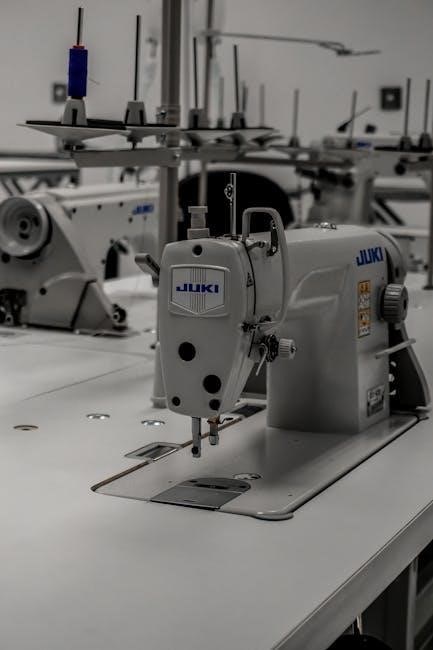
Determining the specific RS2000 variant requires locating the machine’s identification plate․ This plate provides crucial details, explicitly stating the model number, the machine’s designated type, and its intended purpose or specialization․ Accessing the correct manual is paramount for proper operation and maintenance․ Several online resources, including Manualzilla, host a collection of Toyota sewing machine manuals․ These resources offer downloadable guides, ranging in size, for various RS2000 series machines, aiding in accurate identification and providing tailored instructions․ Understanding these distinctions ensures users have the appropriate documentation for their specific model․
Specific Features of Each Model
While comprehensive details are limited without examining individual manuals, the RS2000 series encompasses diverse models like the Oekaki 50, SPA15, and SPJ17XL․ Each boasts unique features and capabilities․ User ratings suggest the SPJ17XL receives high praise (8․7/10), followed by the SPA15 (8․4/10) and Oekaki 50 (7․4/10)․ Accessing the specific manual for your RS2000 type is crucial to unlock its full potential and understand its distinct functionalities, ensuring optimal sewing performance and longevity․
Resources for RS2000 Owners
Online forums, communities, and spare parts suppliers provide valuable support․ Free online downloads of Toyota manuals, including the RS2000, are also accessible․
Online Forums and Communities
Dedicated online forums and vibrant communities serve as invaluable resources for Toyota RS2000 owners․ These platforms facilitate knowledge sharing, troubleshooting assistance, and the exchange of helpful tips regarding the RS2000 series sewing machines․ Users frequently discuss manual locations, share digital copies, and offer guidance on machine maintenance․
Experienced members often provide solutions to common issues, like thread breakage or skipped stitches, and can assist with identifying specific RS2000 model variations․ These communities foster a collaborative environment where owners can connect and learn from each other’s experiences with these classic machines․
Spare Parts Suppliers
Sourcing replacement parts for the Toyota RS2000 can be achieved through specialized sewing machine parts suppliers․ Many vendors offer a wide array of components, ensuring continued functionality for these vintage machines․ Finding a reliable supplier is crucial for maintaining the RS2000’s performance and longevity․
Online retailers frequently stock belts, needles, and other essential parts․ Some suppliers also provide access to older machine instruction books, potentially including RS2000 manuals, further aiding in repairs and maintenance․ Careful research is recommended to verify part compatibility and supplier reputation․
Instructional Videos
While dedicated videos specifically for the Toyota RS2000 are scarce, numerous online resources demonstrate techniques applicable to similar vintage mechanical sewing machines․ These tutorials cover essential maintenance like cleaning, oiling, and belt replacement, skills vital for RS2000 upkeep․
Visual guides can assist with threading, bobbin winding, and stitch selection, complementing the RS2000 manual․ Searching for videos on comparable Toyota models – such as the Oekaki 50 or SPA15 – may yield helpful insights into operating principles and troubleshooting common issues․

Comparing the RS2000 to Other Toyota Models
Manuals exist for Toyota models like the Oekaki 50, SPA15, SPJ17XL, and SP10, offering comparative insights into features and operational similarities with the RS2000․
RS2000 vs․ Toyota Oekaki 50
Comparing the RS2000 and Toyota Oekaki 50 reveals both models have dedicated instruction manuals available online, facilitating user support and understanding․ The Oekaki 50 manual, rated 7․4 by four users, provides guidance specific to its features․ Conversely, the RS2000 series boasts a broader range of manual page counts – from 47 to 79 pages – suggesting potentially greater complexity or model variations․ Accessing these manuals, often available as free downloads, is crucial for owners seeking troubleshooting advice, operational instructions, or maintenance schedules for either machine․
RS2000 vs․ Toyota SPA15
A comparison between the RS2000 and Toyota SPA15 highlights the accessibility of their respective manuals․ The SPA15’s manual receives a strong average rating of 8․4 from five users, indicating user satisfaction with its clarity and completeness․ The RS2000 series manuals vary in length, spanning 47 to 79 pages, potentially reflecting diverse model capabilities․ Both machines benefit from readily available online documentation, crucial for maintenance, troubleshooting, and optimal operation․ Finding these manuals ensures owners can maximize their sewing machine’s lifespan and performance․
RS2000 vs․ Toyota SPJ17XL
Comparing the RS2000 to the Toyota SPJ17XL reveals both benefit from accessible manuals․ The SPJ17XL’s manual boasts an impressive 8․7 average rating from three users, suggesting high-quality documentation․ RS2000 manuals range from 47 to 79 pages, catering to various model specifications within the series․ Online availability is key for both, facilitating easy access to instructions for maintenance, repairs, and feature utilization․ These readily available resources empower owners to confidently operate and maintain their Toyota sewing machines․
Safety Precautions
Always consult the RS2000 manual for crucial guidelines regarding electrical, needle, and general sewing safety․ Prioritize safe operation and machine longevity․
General Safety Guidelines
Before operating your Toyota RS2000, thoroughly review the manual’s safety section; Ensure the machine is on a stable, level surface․ Never leave the machine unattended while powered on․ Keep fingers away from moving parts, like the needle and presser foot, to prevent injury․
Disconnect the power cord when changing the needle, threading, or performing maintenance․ Avoid using damaged cords or plugs․ Do not attempt repairs beyond your skill level; seek professional servicing․ Always use the correct needle type for your fabric․ Proper safety practices ensure a pleasant and secure sewing experience․
Electrical Safety
Always verify the voltage indicated on the machine matches your power supply before plugging it in․ Never operate the Toyota RS2000 with a damaged power cord or plug․ Avoid using extension cords if possible; if necessary, ensure it’s appropriately rated for the machine’s power consumption․
Do not expose the machine to moisture or operate it with wet hands․ Disconnect the power cord from the outlet when not in use, before cleaning, or during maintenance․ If the machine malfunctions electrically, immediately unplug it and consult a qualified technician․
Needle Safety
Always disconnect the power supply before changing or working near the needle․ Use only Toyota-approved needles appropriate for the fabric type and weight․ Insert the needle correctly, ensuring it’s fully pushed up into the needle clamp․ Never sew over pins or thick materials that could bend or break the needle․
Handle used needles with extreme caution, disposing of them safely in a designated sharps container․ Avoid touching the sharp point or edge of the needle․ If a needle breaks during sewing, immediately stop the machine and carefully remove the broken pieces․

Understanding the RS2000 SD Series STF17
The STF17 model, part of the RS2000 SD series, has its own instruction book available online, providing specific guidance for its features and operation․
Specific Features of the STF17 Model
The Toyota RS2000 SD Series STF17, while sharing core functionalities with the broader RS2000 line, possesses unique characteristics detailed within its dedicated instruction book․ Accessing this manual is crucial for understanding its specific stitch patterns, operational nuances, and any specialized features differentiating it from other RS2000 variants․
Information regarding the precise distinctions, such as potential variations in stitch selection or presser foot compatibility, is comprehensively documented․ Owners benefit from a focused resource tailored to their specific machine model, ensuring optimal performance and troubleshooting capabilities․
Instruction Book Availability
Toyota RS2000 sewing machine manuals, including those for the STF17 model, are accessible through various online platforms․ Manualzilla offers free downloads, hosting a collection of Toyota manuals alongside other brands․ Additionally, suppliers specialize in providing new and older Toyota machine manuals․
Digital versions, ranging in size from 8MB to 16MB, are readily available, offering convenient access to guides encompassing 47 to 79 pages․ These resources ensure owners can easily find the documentation needed for operation and maintenance․